Creating Sophisticated Wedding Floral Palettes through Color Theory
When it comes to wedding floral composition, color theory plays a crucial role in creating sophisticated palettes that enhance your celebration. Just like a well-designed workout routine, a harmonious color scheme can boost energy and confidence.
8 min read · Les Fleur Company
Understanding Color Theory
The color wheel is the foundation of color theory. It's a circular diagram that shows how colors are related to each other. Warm colors (red, orange, yellow) evoke emotions and stimulate the senses, while cool colors (blue, green, purple) promote relaxation and calmness.
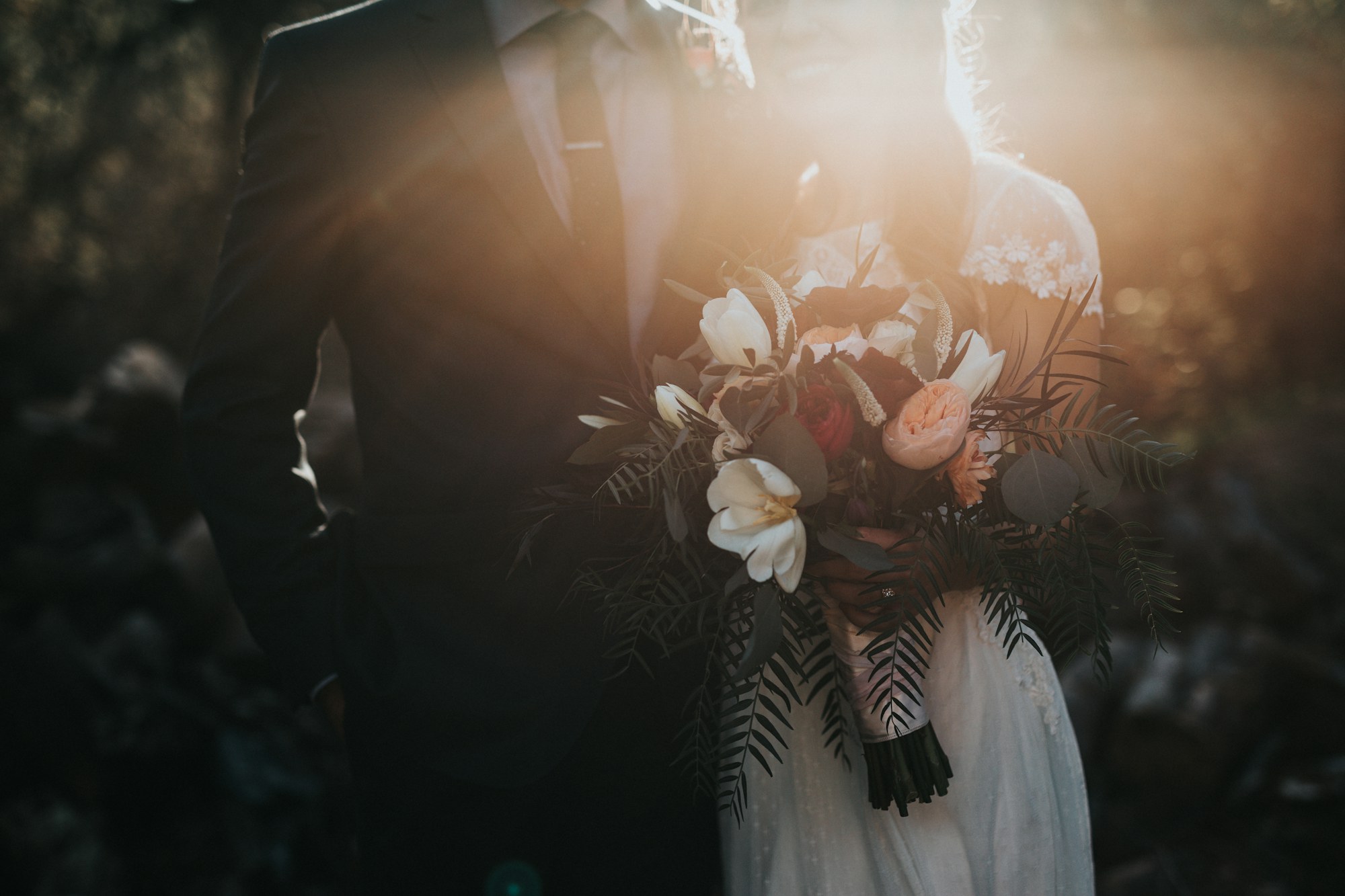
When planning your wedding flowers, it's essential to balance warm and cool tones to create a cohesive look. For example, pair soft peach roses with eucalyptus for a romantic, whimsical feel.
The 60-30-10 Rule
A popular rule of thumb in flower arrangement is the 60-30-10 principle: 60% of your arrangement should be a dominant color, 30% a secondary color, and 10% an accent color. This ratio creates visual interest and prevents the arrangement from feeling too busy or overwhelming.
For instance, if you're using a mix of bright pink and white roses, the pink flowers could make up 60% of the arrangement, while the white roses account for 30%. The remaining 10% can be added with a few sprigs of greenery or some delicate baby's breath.
Color Matching
Choosing colors that complement your wedding theme and stationery is crucial in creating a cohesive look. When selecting flowers, consider the color palette of your wedding attire, linens, and decorations. You can also use online tools or consult with a florist to find the perfect shades for your special day.
In our atelier, we work closely with couples to create custom flower arrangements that reflect their personal style and wedding vision. From classic white roses to bold, bright blooms, we'll help you choose the perfect colors to make your celebration truly unforgettable.
Real Wedding Example
In our latest wedding arrangement, we used a mix of soft peach and ivory roses, accented with eucalyptus and dusty miller. The result was a romantic, whimsical look that perfectly captured the couple's love story.
Conclusion
By applying color theory principles to your wedding floral composition, you can create sophisticated palettes that enhance your celebration. Remember to balance warm and cool tones, use the 60-30-10 rule, and choose colors that complement your wedding theme and stationery. With a little practice and patience, you'll be creating stunning flower arrangements in no time.
Considered
What is the best way to choose a color scheme for my wedding flowers?
Start by considering your wedding theme, venue, and personal style, then use online color wheel tools or consult with a florist to find a palette that works for you.
How do I create a balanced color scheme in my flower arrangements?
Use the 60-30-10 rule: 60% of your arrangement should be a dominant color, 30% a secondary color, and 10% an accent color.